


Every day, KSPS PBS’s Operations and Engineering team manages one of the most complex and geographically challenging broadcast systems in public media. This team is responsible for delivering four KSPS PBS channels across Eastern Washington, Northern Idaho, Western Montana, and Western Canada through cable, satellite, online streaming, and free over-the-air broadcast.
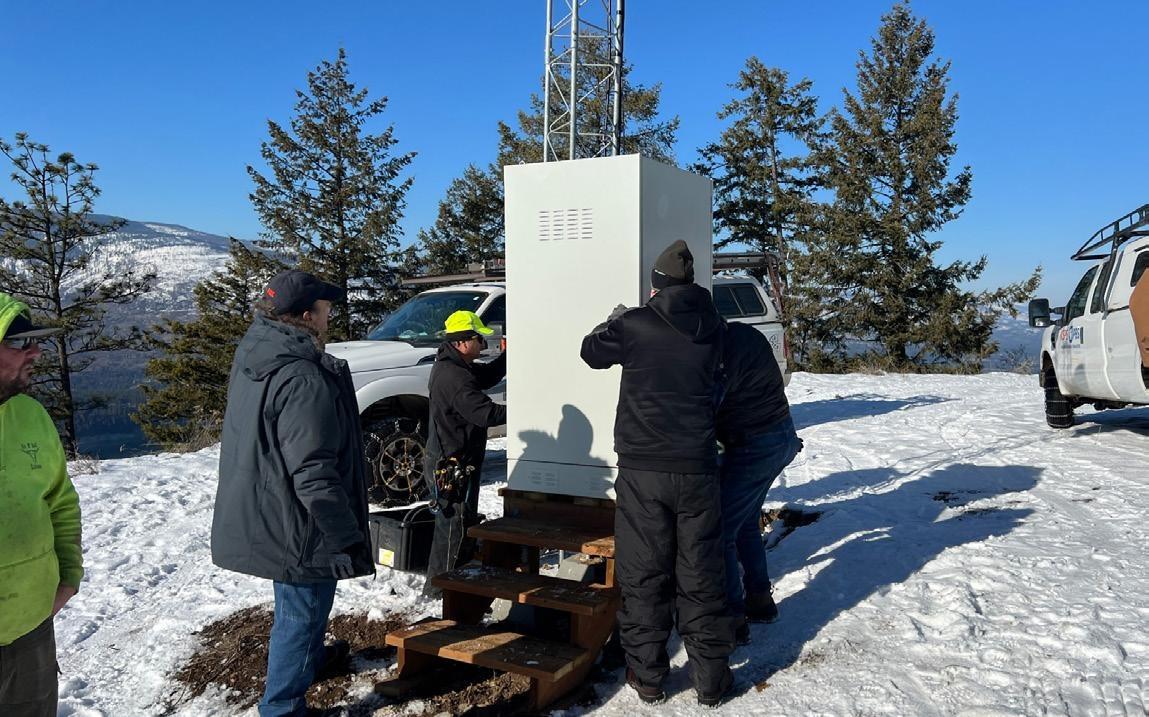
Maintaining this level of service is highly specialized and increasingly expensive work. KSPS PBS continues to operate and maintain a robust over-the-air transmission network, ensuring free access to public media for rural, mountainous, and underserved communities. That network includes approximately 30 mountaintop broadcast towers and translator sites, many in remote locations that must be accessed and serviced in all weather conditions. These facilities are essential not only for daily programming, but also for the Emergency Alert System, which depends on reliable broadcast infrastructure during wildfires, severe storms, and other regional emergencies.
This work requires deep technical expertise, constant monitoring, and ongoing capital investment. With the loss of federal funding, the role of donor support in sustaining this infrastructure has never been more critical. Every upgrade, repair, and site visit reflects the generosity of viewers who believe that free, reliable public media is worth protecting.
Engineering
In FY2025, KSPS PBS engineering staff completed several major projects that strengthened broadcast reliability and expanded access across the region. The Create channel was added to the Libby translators, extending educational and lifestyle programming to Montana viewers. The team also achieved the restoration of Channel 32 service in Wenatchee, returning dependable over-the-air service to the community after a prolonged disruption.
One of the year’s most significant investments was the Pickens Mountain project, which involved construction of a new communications building, installation of new transmission and receive lines, and the relocation of translators from an aging structure into a modern facility. This project improves long-term reliability, reduces future maintenance risk, and protects critical equipment in a harsh mountain environment.
Engineering staff also restored Channel 9 service to Colville and Kettle Falls after the loss of the former transmitter site, establishing a new location above Kettle Falls to maintain coverage. At the King Mountain translator site, the team completed major antenna removals and installations and added a six-channel combiner, significantly improving coverage in the Troy Mountain area. This tightly coordinated three-day project reflects both the complexity and cost of maintaining broadcast service in rugged terrain.
In addition, KSPS PBS engineers provided technical support and consulting services to regional partners and translator districts in Priest Lake, Okanogan, Bonners Ferry, Troy, Libby, and Montana, helping extend the impact of donor-supported expertise beyond the station itself.
IT & Production
Behind the scenes, the Operations and Engineering team also modernized critical station systems to ensure reliability, security, and efficiency. The IT team upgraded the station’s core network with new Cisco switches, completed a Hyper-V migration to new SAN and virtual machine hosts, and transitioned the phone system from Avaya to 8x8, improving resilience and long-term cost management.
Cybersecurity investments included enhanced staff training, stronger Microsoft Defender protections, expanded patch management, and upgraded Microsoft 365 licensing. These safeguards protect station operations, donor information, and broadcast continuity in an increasingly complex digital environment.
Production infrastructure also saw major upgrades, including replacement of the Sony MVS-8000 video switcher with a Ross Carbonite 60, an audio console upgrade to an Allen & Heath Avantis, and the implementation of audio pre-mix recording. These investments supported a successful live pledge event and ensure that KSPS PBS can continue producing high-quality local programming efficiently and reliably.
With Donor Support, the Signal Continues
None of this work is inexpensive, and none of it happens by accident. Maintaining broadcast towers, replacing aging equipment, securing digital systems, and responding to emergencies requires sustained investment and specialized expertise. In the absence of federal funding, donor contributions now play an even greater role in keeping KSPS PBS on the air across our vast service region.
Because of our supporters, KSPS PBS remains reliable, resilient, and accessible to everyone, regardless of geography or income.